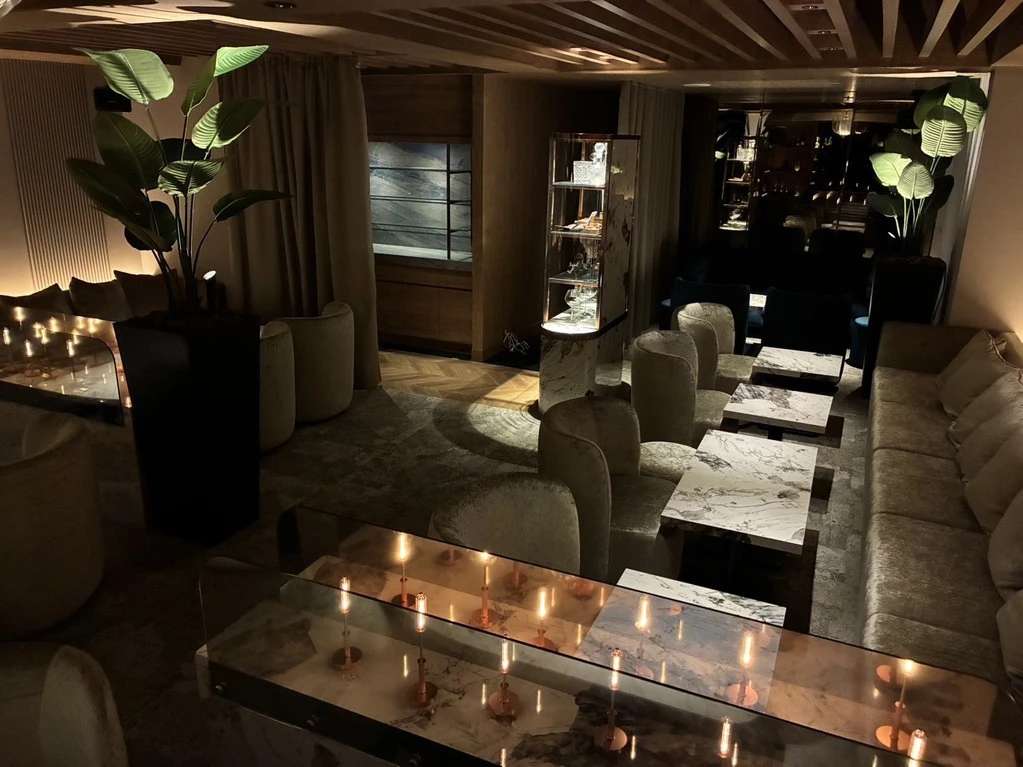
A solo Tokyo club night is easier to plan around a particular event. Choose the music, check entry conditions and decide how to get home before committing to tickets or a table.
Choose the event before the building
Start with the Tokyo nightclub directory, then read the venue's event listing for your actual date. The same room can host different music, promoters, ticket prices and opening times. A photograph of a packed dance floor tells you little about another night's programme.
Pick something you want to hear even if you end up spending most of the evening listening or dancing alone. If your aim is conversation, consider how much you enjoy a loud room and whether the event has a quieter area. Arriving alone does not oblige you to spend the whole night trying to meet people.
Read the ticket and door rules together
Check age restrictions, accepted identification, the ticket name, entrance and any arrival deadline. WOMB's late-night event conditions require guests to be at least 20 and carry government-issued photo ID. Earlier events can have different conditions, so use the listing for the event you have selected.
Keep the ticket accessible on your phone and carry the identification the organiser accepts. A booking confirmation or photograph of a document is not automatically an accepted substitute for the original. Ask the organiser if your document is not clearly covered.
Check dress, bag and re-entry rules before leaving your accommodation. If you expect to step outside and return, settle that question before scanning your ticket. Buying entry does not answer every condition at the door.
Decide whether you need a table
General admission and a reserved seat are different purchases. Do not buy a table because you assume solo entry requires one. Check whether the event offers ordinary admission, and then decide whether seating is worth its additional cost to you.
WOMB's Premium Lounge schedule, for example, prices seating per guest for a timed period, includes admission and separates drinks and a service charge. It says event-specific terms can change. That is a table arrangement, not the standard ticket price for every event or a universal solo package.
If you want a seat, ask whether one person can reserve it, whether you share a table and what the final charge covers. At a minimum-spend venue, establish whether the figure is for the whole table or each guest.
Settle in without forcing a conversation
Get your bearings when you arrive: the dance floor, bar, exits and any cloakroom or lockers. Check storage before relying on it. Keep enough phone battery and money for your return.
A short comment about the music can open a conversation in a place where people can hear you. Give the other person room to answer or return to their friends. A brief reply, turning away or continuing to dance is a reason to leave the conversation there.
Ask before photographing people and keep other guests' drinks and belongings alone. If something is making you uncomfortable, speak to venue staff. You can move to another area or finish the night without turning it into an obligation to stay until closing.
Choose your way home before the late part
Tokyo's trains do not run all night. Check the last useful connection all the way to your accommodation, including transfers. The station's final departure may not be a train that completes your route.
If the event continues later, decide whether you will leave for that connection, budget for a taxi or wait somewhere suitable for services to restart. Keep your accommodation's address available in Japanese. Another guest's plans are not a reliable substitute for your own route.
For the differences between dancing, bars and paid staff interaction, read Tokyo Nightlife Venue Types for Foreign Visitors and How to Meet Girls in Tokyo.
Discussion
No discussion yet — been here recently? Share what changed.